


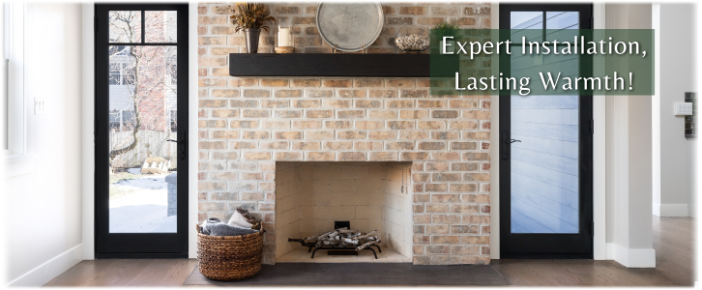
Adding warmth, comfort, and value often begins with professional fireplace installation in Pittsburgh, PA designed for local homes and climate conditions. With long winters, older construction, and varied venting layouts, choosing the right system and setup matters. Because proper installation affects safety and efficiency, careful planning helps ensure reliable performance from the start.
Why Fireplace Installation in Pittsburgh, PA Requires Local Expertise
Pittsburgh homes range from historic brick properties to newer builds with modern layouts. As a result, each installation requires a tailored approach. Venting paths, structural support, and fuel type all influence design decisions.
Additionally, cold temperatures and frequent fireplace use place extra demand on new systems. Therefore, correct sizing and placement matter. With professional fireplace installation, homeowners gain dependable heat without draft issues or smoke concerns.
Planning a Safe Fireplace Installation in Pittsburgh
Every project starts with evaluating the home’s layout and heating goals. Technicians assess chimney condition, clearances, and airflow needs. Meanwhile, they review local codes to ensure compliance.
Some homes require upgrades before installation begins. For example, chimney cleaning removes buildup that restricts draft. Fireplace cleaning also improves visibility and safe operation before connecting a new unit.
Fireplace Options That Fit Pittsburgh Living
Homeowners choose from wood, gas, or insert-style fireplaces based on usage and efficiency goals. Wood-burning units provide traditional ambiance, while gas systems offer convenience and control.
Insert fireplaces work well in existing openings, especially in older neighborhoods like Brookline or Bloomfield. Because they improve efficiency, inserts help reduce heat loss during winter. City’s best fireplace installation service explains each option clearly.
How Installation Connects With Other Chimney Services
Fireplace installation often involves evaluating the entire venting system. During this process, technicians may recommend liner upgrades or masonry repairs. Fireplace repair becomes necessary if fireboxes or surrounding materials show damage.
In some homes, installers also review adjacent venting for safety. Dryer vent cleaning may improve airflow and reduce fire risks nearby. These chimney services work together to support safe operation.
Local Factors That Affect Installation Success
Pittsburgh’s freeze-thaw cycles challenge masonry and vent components. Moisture intrusion accelerates wear when temperatures fluctuate. Consequently, installers use materials designed for durability.
Homes near the Allegheny or Monongahela Rivers experience higher humidity. Because moisture affects draft and corrosion, proper sealing and caps matter. Trusted experts for fireplace installation in Pittsburgh account for these conditions.
What to Expect During a Fireplace Installation Project
Installations follow a clear, step-by-step process. Crews prepare the site, protect surrounding areas, and complete work efficiently. Afterward, they test airflow and operation thoroughly.
Homeowners receive guidance on use, maintenance, and seasonal care. In addition, technicians explain when to schedule inspections. This approach ensures long-term reliability and peace of mind.
Frequently Asked Questions
How long does a fireplace installation take?
Most projects finish within one to two days, depending on system type and preparation needs.
Do I need an existing chimney for installation?
Some systems use existing chimneys, while others vent directly. An evaluation determines the best option.
Is fireplace installation in Pittsburgh, PA safe for older homes?
Yes, fireplace installation in Pittsburgh, PA works well for older homes with proper inspection and preparation.
Upgrade your home’s comfort and value with professional fireplace installation in Pittsburgh, PA—call (412) 912-2173 today to schedule a consultation and secure dependable warmth before winter arrives.